

Best Food for Calico Cats: 4 Top Picks for 2026
Calico cats don’t need a special diet simply because of their coat color. Like other cats, they need a complete and balanced diet that provides the nutrients required for their life stage, along with an appropriate amount of calories for their size and activity level. Cats are obligate carnivores and require nutrients from animal-based foods, including essential amino acids such as taurine.
For this guide, we compared four popular cat food options based on factors that matter when choosing a daily diet, including nutritional adequacy, life-stage suitability, food texture, moisture content, and the needs each formula is designed to address.
Quick Answer: What Is the Best Food for a Calico Cat?
The best food for a calico cat is not determined by coat color. Instead, look for a complete and balanced cat food that is appropriate for your cat’s life stage and individual needs. AAFCO recommends checking the nutritional adequacy statement on the label to make sure the food is intended for the correct species and life stage.
For a healthy adult calico, these four options offer different approaches:
| Cat Food | Best For | Food Type | Why Consider It? |
|---|---|---|---|
| Wellness CORE Turkey & Chicken Pâté | Cats that prefer wet food | Wet pâté | High-moisture, meat-based formula with taurine |
| Royal Canin Feline Health Nutrition | Tailored nutrition | Wet & dry options | Formulas based on age, lifestyle, and nutritional needs |
| Blue Buffalo Wilderness | Meat-rich dry food | Dry | Protein-rich formula with chicken as a primary ingredient |
| Hill’s Science Diet | Life-stage-focused nutrition | Wet & dry options | Wide range of formulas designed around age and lifestyle |
There is no single best cat food for every calico. Before choosing a food, consider your cat’s age, weight, activity level, body condition, health history and food preferences. If your cat has a medical condition or requires a therapeutic diet, consult your veterinarian before changing its food.
How We Chose These Cat Foods
We focused on practical factors that pet owners can verify rather than choosing products simply because they contain a particular ingredient or make a marketing claim.
1. Complete and balanced nutrition
The first thing to check is whether the food has an appropriate nutritional adequacy statement for cats and the intended life stage. AAFCO explains that complete and balanced foods are formulated to provide the nutrients required for the specified life stage.
2. Life-stage suitability
Kittens, adult cats, and senior cats have different nutritional requirements. A food that is appropriate for an adult cat may not be the right choice for a kitten or a cat with particular health needs.
3. Individual needs
We considered whether each formula is designed for particular situations, such as indoor lifestyles, mature cats, weight management, or preferences for wet versus dry food.
4. Food format and moisture
Wet and dry foods can both provide complete nutrition. Wet food generally provides substantially more moisture, while dry food offers convenience and may be easier to store and portion. Neither format is automatically the best choice for every cat.
5. Verifiable product information
We prioritized information that can be checked against manufacturer product information and nutritional labeling rather than relying solely on marketing language.
Important: Product formulas, packaging, ingredients, availability, and feeding recommendations can change. Check the current product label before purchasing.
Understanding Calico Cat
Unique Characteristics
Calico cats aren’t a breed of their own; instead, the term refers to the color pattern of the cat’s fur—usually a mix of white, black, and orange or cream. Calicos are often known for their independent yet affectionate nature. Many people believe Calicos have a unique personality, with some being more vocal and spirited than other cats. However, their temperament can vary from one cat to another.
Common Health Concerns
While Calico cats are generally healthy, there are some health concerns to keep in mind:
- Genetic Disorders: Since Calico cats are predominantly female (the gene for Calico coloring is X-linked), they may have a higher likelihood of certain genetic conditions.
- Obesity: Like all cats, Calicos can be prone to obesity if not properly fed and exercised, especially if they live an indoor lifestyle.
Understanding these unique traits will help you choose the best food that suits your cat’s health and lifestyle.
Nutritional Needs of Calico Cats
Essential Nutrients
Like all cats, Calicos are obligate carnivores, meaning they require animal-based proteins to thrive. The essential nutrients they need include:
- Protein: A high-quality source of protein is critical for muscle maintenance and overall health.
- Fats: Healthy fats, especially omega-3 and omega-6 fatty acids, promote a shiny coat and support cell function.
- Vitamins and Minerals: Cats need vitamins such as A, D, and E, as well as minerals like calcium and phosphorus, to keep their bones, teeth, and skin healthy.
- Taurine: An essential amino acid that supports heart and eye health.
Age-Specific Dietary Requirements
The nutritional needs of Calico cats can vary depending on their age and health status:
- Kittens require food that supports growth and development, with high protein and fat content.
- Adult cats need a balanced diet to maintain a healthy weight and energy levels.
- Senior cats may require a diet that focuses on joint health, digestive support, and weight management.
For more details on feeding cats of all ages, you can refer to our guide on How Much Cat Food Should I Feed?.
Top Brands for Calico Cat Food
When choosing the best food for cats, it’s important to consider their preferences, as well as their nutritional needs. Here are some of the best options available:
Best Wet Food Options
1. Wellness CORE Grain-Free Turkey & Chicken Pâté
Wellness CORE offers wet cat food formulas designed around animal-based ingredients and complete nutrition. The CORE pâté range includes chicken, turkey and chicken liver recipes and provides moisture-rich food in a smooth pâté texture. Current product information also lists taurine and other essential nutrients.
Why we like it
- Wet food provides a convenient way to increase moisture in the diet.
- The pâté texture may work well for cats that prefer smooth food.
- The formula includes animal-based ingredients such as chicken and turkey.
- Taurine is included, an essential nutrient for cats.
- Wellness CORE offers both wet and dry formulas, giving owners options based on their cat’s preferences.
Best for
Cats that prefer wet food or a smooth pâté texture.

2. Royal Canin Feline Health Nutrition
Royal Canin’s Feline Health Nutrition range includes formulas designed around different life stages and lifestyles. The range includes wet and dry foods, including formulas for indoor cats and different age groups.
Why we like it
- Offers different formulas based on age and lifestyle.
- Provides both wet and dry options.
- Current adult formulas include an AAFCO nutritional adequacy statement for adult maintenance.
- Some formulas are specifically designed around concerns such as indoor lifestyles or weight management.
Best for
Owners who want to match food more closely to their cat’s age, lifestyle or nutritional needs.
For more wet food options, check out our comprehensive guide on Best Wet Cat Foods.

Best Dry Food Options
3. Blue Buffalo Wilderness High-Protein, Natural Adult Dry Cat Food
Blue Buffalo’s BLUE Wilderness line includes protein-rich dry and wet cat foods. Current product information for its mature chicken recipe lists deboned chicken and chicken meal among the primary ingredients and includes taurine. The specific mature formula is formulated to meet AAFCO nutrient profiles for adult maintenance.
Why we like it
- Chicken is a prominent ingredient in the formula.
- The formula provides a relatively high crude-protein level on the guaranteed analysis.
- Taurine is included.
- The range includes different formulas for different life stages and needs.
- Dry food can be convenient for portioning and storage.
Best for
Owners looking for a meat-rich dry-food option for an appropriate adult or mature cat.
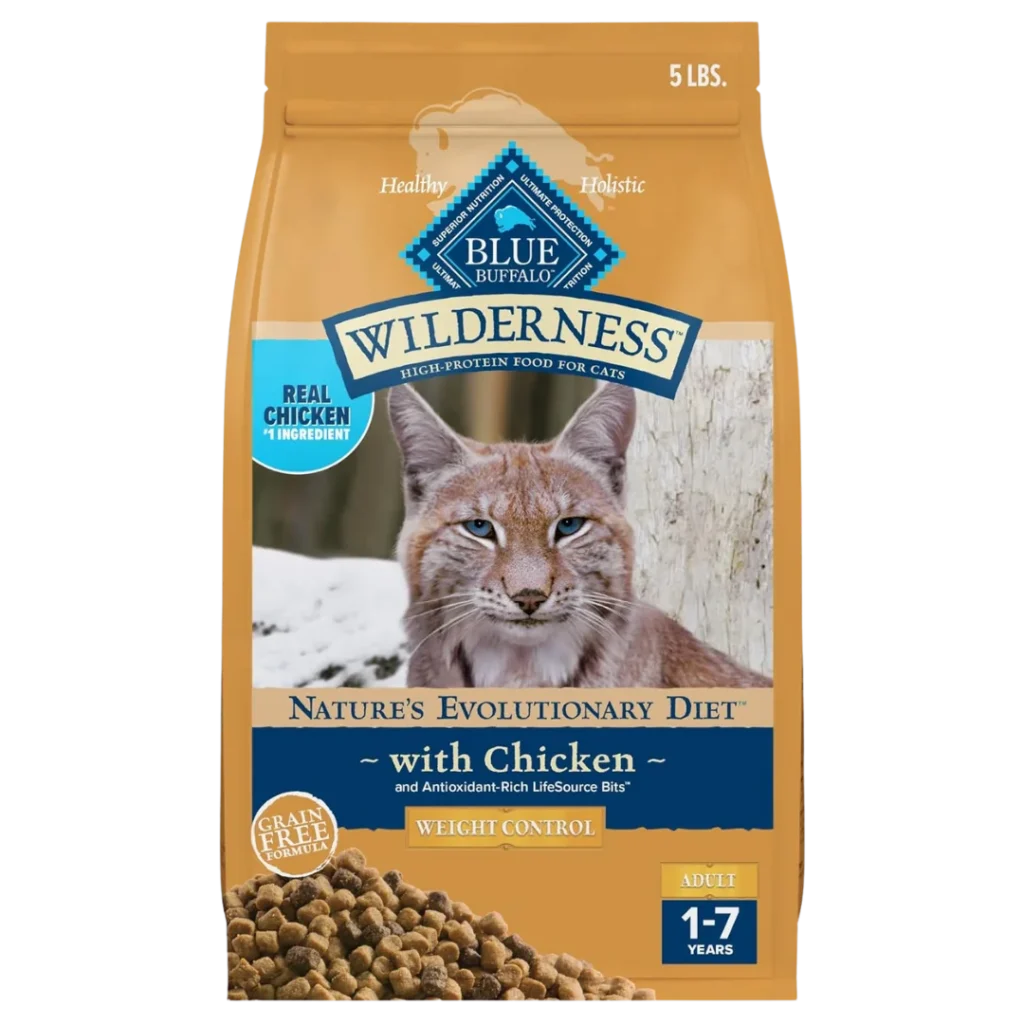
4. Hill’s Science Diet Adult Indoor Cat Food
Hill’s Science Diet offers cat foods formulated for different ages and lifestyles. For example, its Adult Indoor Chicken Recipe is formulated for adult maintenance, while its Adult 11+ Indoor Chicken Recipe is specifically intended for senior indoor cats.
Why we like it
- Offers formulas for different life stages.
- Includes both wet and dry options.
- Current product information provides feeding recommendations and nutritional adequacy statements.
- Some formulas are specifically designed for indoor or senior cats.
- The manufacturer provides detailed information about ingredients, guaranteed analysis and feeding instructions.
Best for
Owners who want a food matched to their cat’s age and lifestyle.
For more dry food options, check out our comprehensive guide on Best Cat Foods.

What Should You Look for in the Best Cat Food?
Complete and balanced nutrition
Check the nutritional adequacy statement on the package. AAFCO explains that this statement indicates whether the food provides complete and balanced nutrition for a particular life stage.
Appropriate life stage
Choose food intended for your cat’s current stage of life, such as kitten, adult maintenance or senior.
Appropriate calorie intake
Even nutritionally complete food can contribute to excess weight if a cat consistently eats more calories than it needs. Feeding amounts should be adjusted according to the individual cat’s weight, activity and body condition.
Adequate moisture
Wet food can help increase water intake because of its high moisture content. Dry food can also be part of a balanced diet when it is appropriate for the cat.
Your cat’s individual needs
A cat with kidney disease, urinary disease, food allergies, diabetes or another medical condition may require a diet specifically recommended by a veterinarian.
Is Wet or Dry Food Better for Calico Cats?
There is no single answer that applies to every calico cat.
Wet food contains substantially more moisture and can be useful for increasing dietary water intake. It may also be appealing to cats that prefer certain textures. Dry food is convenient to store, easy to portion and can also provide complete and balanced nutrition when properly formulated.
Some cats do well with either format, while others prefer a combination of wet and dry food.
The more important question is whether the food provides appropriate nutrition for your cat and whether the total amount fed supports a healthy body condition.
Can I Feed My Calico Cat Homemade Food?
Some cat owners prefer homemade meals for their pets, believing that they can provide a healthier, more natural diet. While homemade diets can be beneficial, they require careful planning to ensure they meet all of your cat’s nutritional needs.
Benefits of Homemade Meals
- Control Over Ingredients: You can choose the best and freshest ingredients, avoiding fillers and preservatives.
- Customization: You can tailor the diet to your Calico’s specific health needs (e.g., weight management, sensitive stomachs).
However, it’s important to work with a veterinarian or pet nutritionist to ensure that your homemade meals are nutritionally balanced. Common ingredients to include are:
- Lean meats: Chicken, turkey, or fish for protein.
- Vegetables: Carrots, peas, or pumpkin for fiber.
- Supplements: Taurine, vitamins, and minerals to complete the diet.
For more information on transitioning to a homemade diet, check out our Best Soft Dry Cat Food for Older Cats.
Homemade Recipe Ideas
- Chicken & Pumpkin Stew: Boil chicken breast and mix with cooked pumpkin and a pinch of taurine supplement.
- Salmon & Sweet Potato Mash: Bake salmon and mix with mashed sweet potatoes for a nutrient-rich meal.
Tips for Transitioning Your Calico Cat's Diet
When switching your Calico to a new food, it’s important to do so gradually to prevent digestive upset. Follow these steps for a smooth transition:
- Gradual Change Process: Start by mixing a small amount of the new food with your cat’s old food. Gradually increase the new food’s portion over 7-10 days.
- Monitoring Reactions and Adjustments: Keep an eye on your cat’s digestion, weight, and behavior. If they show signs of discomfort or digestive issues, consult your vet for adjustments.
Conclusion: The Best Food for Calico Cats
The best food for a calico cat isn’t determined by its coat color. Instead, choose a complete and balanced cat food that matches your cat’s life stage, activity level, body condition, preferences and individual health needs.
Our four recommendations offer different approaches, from moisture-rich wet food to dry formulas and foods designed around specific life stages and lifestyles.
Before making a major dietary change, check the current product label and feeding instructions. If your cat has a medical condition or special nutritional needs, talk with your veterinarian about the most appropriate diet.
The right food is the one that provides appropriate nutrition and works for your individual cat—not simply the one with the longest ingredient list or the most impressive marketing claims.
For further guidance on feeding your Calico or any other cat, check out our Best Food for Overweight Cats.
Frequently Asked Questions (FAQs)
Do calico cats need special cat food?
No. Calico refers to a coat-color pattern, not a specific nutritional requirement. A calico cat should generally be fed according to the same nutritional principles as other cats, with food selected according to age, health, activity level and individual needs.
What is the healthiest food for a calico cat?
There is no single food that is healthiest for every calico. Look for a complete and balanced cat food appropriate for your cat’s life stage, then consider factors such as calorie intake, food texture, moisture and any medical needs.
Is wet food better for calico cats?
Not necessarily. Wet food can increase moisture intake, while dry food can be convenient and nutritionally complete. The best option depends on the individual cat and the specific formula.
How much food should I give my calico cat?
The correct amount depends on your cat’s weight, age, activity level, health and the calorie density of the food. Start with the manufacturer’s feeding guidelines and adjust as needed to maintain an appropriate body condition. If you’re unsure about your cat’s ideal weight or calorie needs, ask your veterinarian.
Can calico cats eat dry food?
Yes. Calico cats can eat appropriately formulated dry cat food. Check that the food is intended for cats and provides complete and balanced nutrition for the appropriate life stage.
Can calico cats eat wet food?
Yes. Wet food can be a complete part of a cat’s diet when it is formulated as a complete and balanced food for the appropriate life stage. Its higher moisture content can also contribute to daily water intake.
Should I change my cat's food suddenly?
It’s generally better to transition gradually. Manufacturers commonly recommend mixing increasing amounts of the new food with decreasing amounts of the old food over several days. Hill’s, for example, recommends a seven-day transition for its products.
Should I ask a veterinarian before changing my cat's food?
If your cat has a medical condition, is losing or gaining weight unexpectedly, has persistent digestive problems, or needs a therapeutic diet, consult your veterinarian before making dietary changes.
Why Trust Our Recommendations?
Choosing cat food should involve more than picking the product with the most impressive ingredient list or the strongest marketing claims.
For this guide, we focus on practical information that pet owners can verify, including:
1. Nutritional adequacy
We check whether the food has a nutritional adequacy statement showing that it is intended for cats and appropriate for the relevant life stage.
2. Individual needs
We consider what each formula is designed to address, such as adult maintenance, indoor lifestyles, mature cats, or specific feeding preferences.
3. Food type and moisture
We look at whether the product is wet, dry, or available in both formats, since food texture and moisture content can be important factors when choosing a diet.
4. Manufacturer information
We prioritize current product information from the manufacturer, including feeding guidance, product details, and nutritional information, rather than relying only on third-party descriptions.
5. More than the ingredient list
We don’t treat a single ingredient or marketing claim—such as “grain-free” or a particular protein source—as proof that a food is automatically better. Ingredient lists can provide useful information, but they should be considered alongside the food’s overall nutritional profile and intended use.
Our goal: Help you choose a cat food that fits your cat’s life stage, needs, and preferences—not simply tell you which product to buy.
Resources
- American Association of Feed Control Officials (AAFCO) — Selecting the Right Pet Food
Explains how pet owners can evaluate pet food, including species, life stage and nutritional adequacy statements. AAFCO: Selecting the Right Pet Food - AAFCO — Reading Pet Food Labels
Explains nutritional adequacy statements, life stages and other information found on pet-food labels. AAFCO: Reading Pet Food Labels - World Small Animal Veterinary Association (WSAVA) — Global Nutrition Guidelines
Provides veterinary nutrition guidance and resources for evaluating pet-food information. WSAVA: Global Nutrition Guidelines - Cornell University College of Veterinary Medicine — Feeding Your Cat
Provides veterinary information about feline nutritional requirements and feeding. Cornell Feline Health Center: Feeding Your Cat - Hill’s Science Diet — Cat Food
Manufacturer product information, ingredients, feeding guidance and nutritional adequacy information for individual formulas. Hill’s Science Diet Cat Food
Affiliate Disclosure: Some of the links on this page are affiliate links. If you purchase a product through one of these links, we may earn a commission at no additional cost to you. Our recommendations are based on the product information and nutritional considerations discussed in this guide.

